
Discover Yogo Sapphires
Explore distinctive pieces known for their natural beauty, rich color, and unique character.

What are Yogo Sapphires
Yogo sapphires are a rare and distinctive type of sapphire found in the Yogo Gulch area of Montana. They are considered to be one of the finest sapphires in the world.
Color
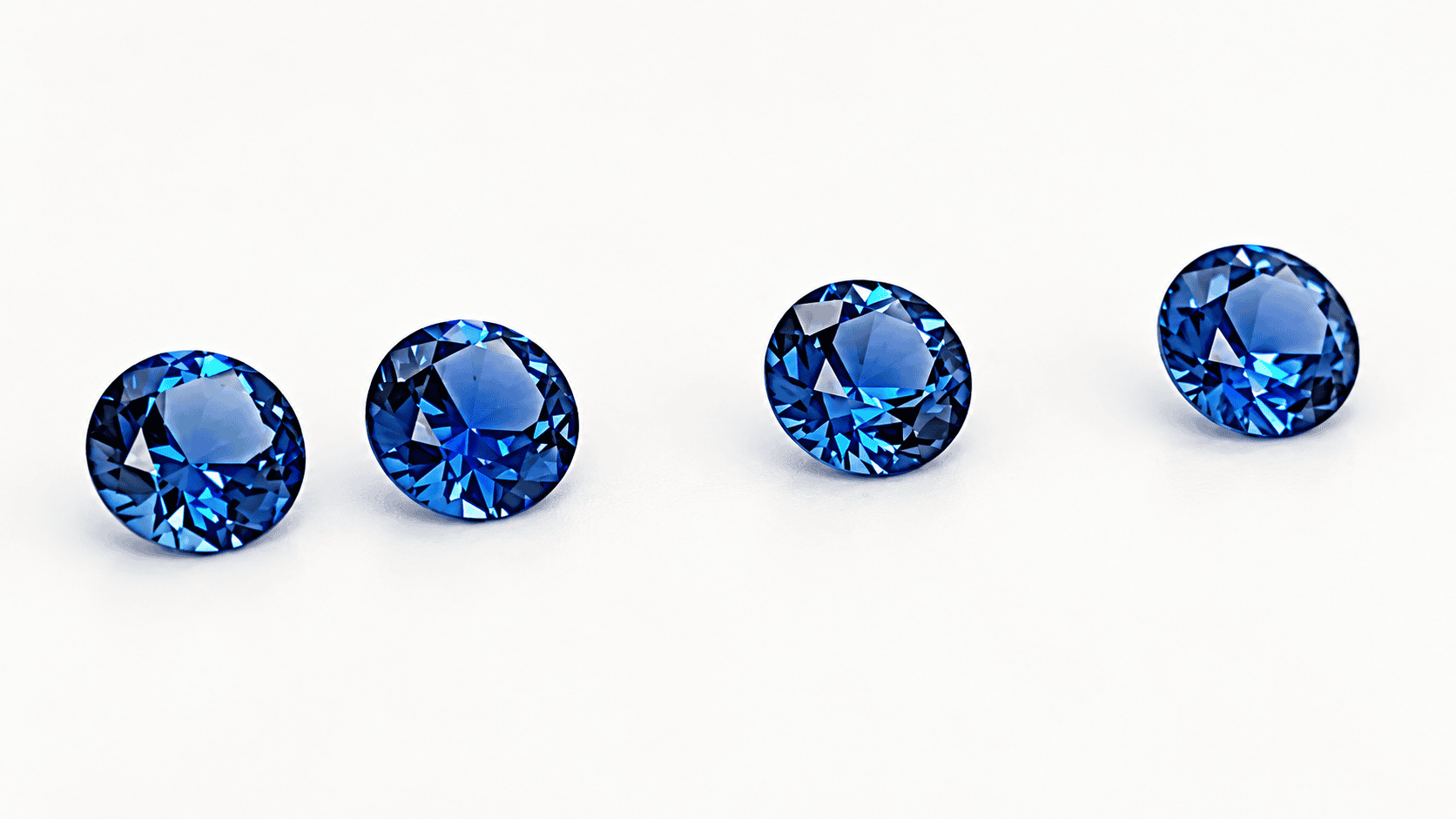
Yogos are known for their vibrant cornflower blue color, which ranges from deep blue to a violet tint. This color is highly prized because it is rich and vibrant, but not too dark, making it more unique compared to sapphires from other regions.
Clarity
These sapphires are often exceptionally clear compared to many other sapphires, which tend to have visible inclusions. Yogo sapphires are known for their lack of inclusions and are highly sought after for their clarity, making them ideal for fine jewelry.
Yogo Sapphire History

The Discovery
Yogo sapphires were discovered in the 1890s in the Yogo Gulch area of Montana, specifically in the Little Belt Mountains. The discovery was made by prospector and miner A.H. McMillan, who stumbled upon them while searching for gold. The first sapphires from the area were small, but soon miners realized they were incredibly high quality, with a deep blue color.
The Mining Rush
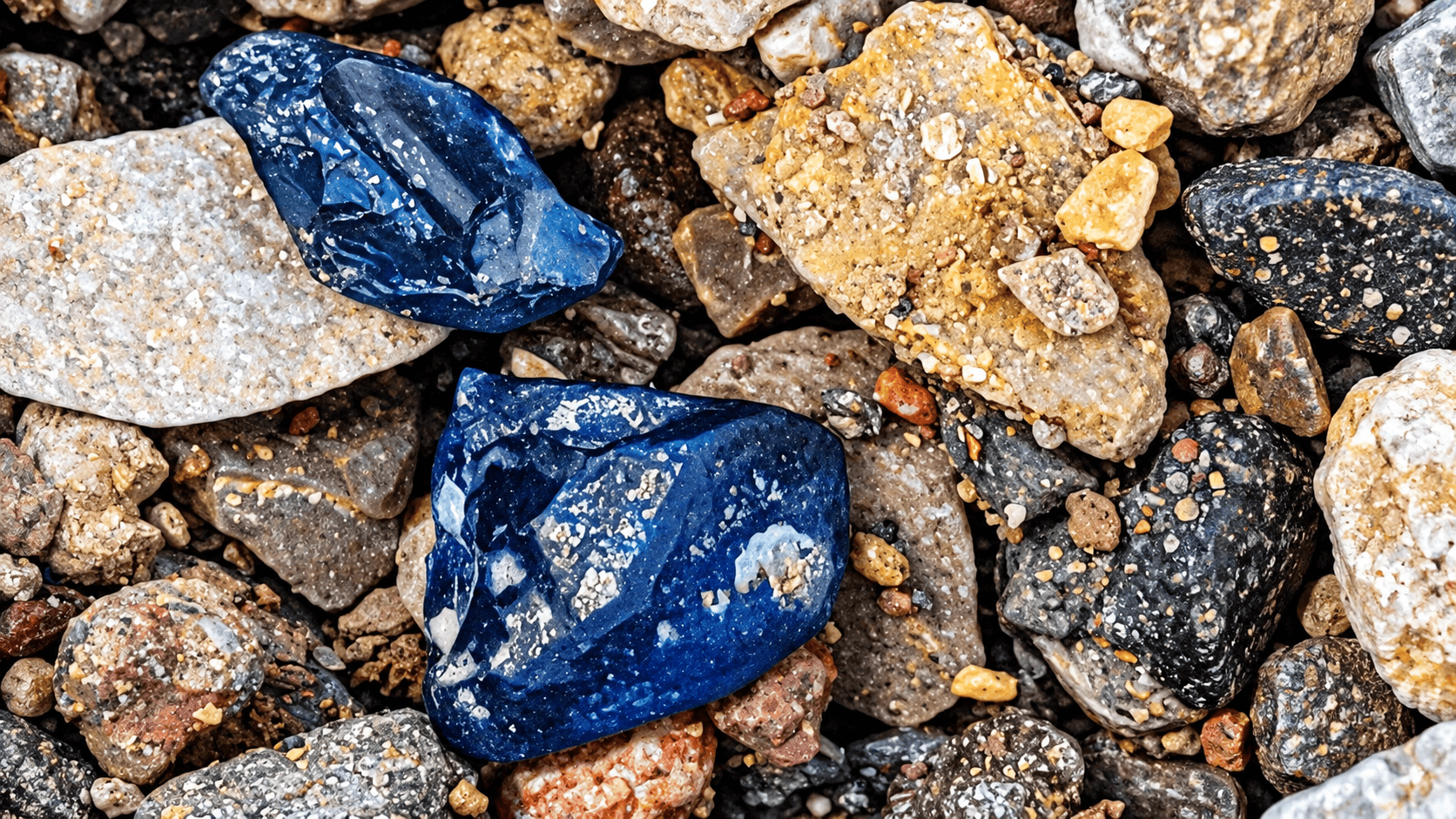
In the late 1800s and early 1900s, a mining rush followed the discovery of these sapphires, drawing prospectors to the region. Yogo sapphires became known for their rich color and clarity, making them highly desirable. However, mining the sapphires was not easy. The sapphires were embedded in difficult-to-extract rocks, which made the mining process expensive and labor-intensive. As a result, many miners moved on after a brief rush.
The Decline
Yogo sapphires began to dwindle as the easy-to-find stones were already extracted, and mining became more difficult. The rising costs and decreasing availability led to the mine being shut down.